
Stages of civil litigation
Step #1: The legal process begins once a “complaint” is filed in court. The complaint outlines the reasons why a party feels the court should award some remedy, typically making another party pay damages. Complaints are often “verified” which means the party bringing the lawsuit swears that the facts in the complaint are true. The “plaintiff” […]
Court Ordered Arbitration
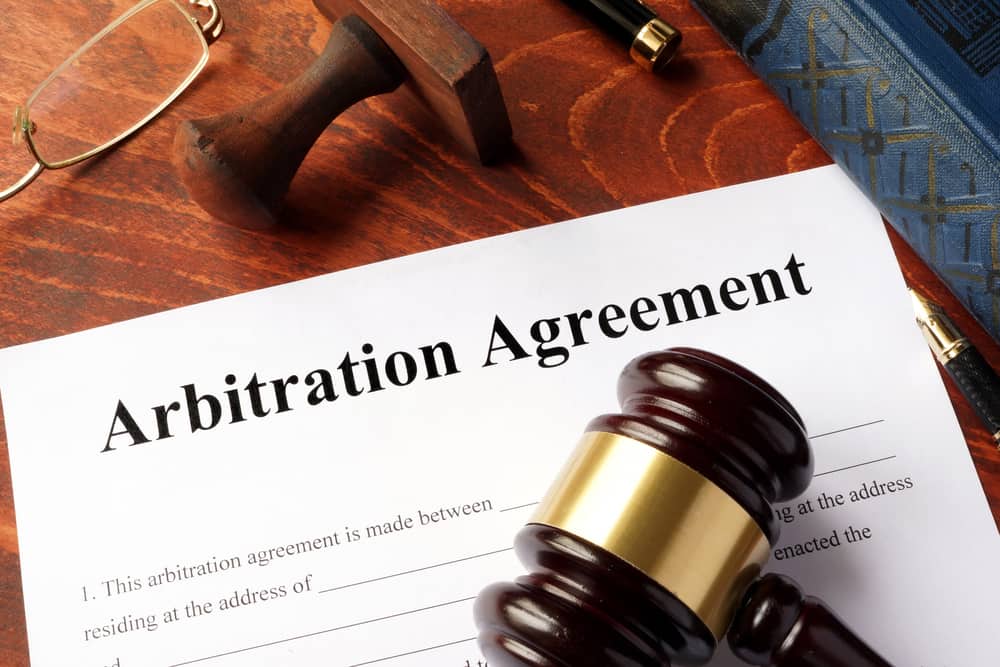
Court ordered arbitration in North Carolina is a procedure used to provide a resolution to relatively smaller disputes (cases filed in District Court). It is not voluntary and your personal attendance is required. Arbitrators are typically local lawyers or retired judges. Prior to the hearing, parties are required to identify witnesses and exhibits. The proceeding, […]
Mediation

In North Carolina, all cases filed in Superior Court are ordered into mediation, also known as mediated settlement conferences. The purpose of this procedure is to resolve cases more efficiently, saving time and money. Here’s how the system works: After the pleadings are closed (ie. complaint and answer are both filed), parties in Superior Court […]
Testifying in Court

Here are some general tips for testifying. Two notes: A) References are made to a jury but often times trials are just in front of a judge. Everything below applies as well to the judge, especially if you don’t have a jury. B) One thing about court is, for every rule there is an exception. […]
Collecting Attorney Fees
When a person comes to a lawyer, he or she usually has a story and two questions. The story is the set of facts that makes them believe they need legal help. The two questions are: 1) Do I have a case? and 2) Can I collect attorney fees? Any client knows that attorney fees […]
